
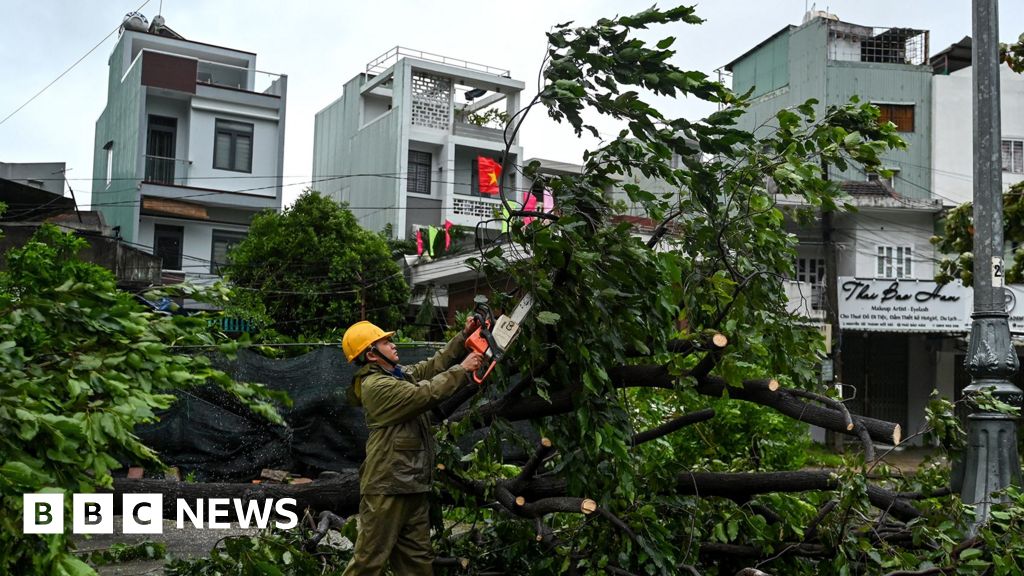
Southeast Asia has once again faced the formidable wrath of nature, as one of the year’s most powerful and deadliest typhoons recently unleashed its fury across the region. With a devastating trail of destruction, this superstorm has left communities reeling, particularly in the Philippines and Vietnam, where the initial impact was most severe and heartbreakingly consequential.
The scale of the disaster is stark: reports indicate nearly 200 lives tragically lost as the typhoon barreled through, bringing with it torrential rains, fierce winds, and widespread flooding. Homes were submerged, infrastructure damaged, and countless families displaced, painting a grim picture of the immediate aftermath and underscoring the immense challenges faced by affected populations in these vulnerable nations.
In what comes as a much-needed sigh of relief amidst the tragedy, meteorologists confirm that the typhoon has significantly weakened. After its destructive pass through Vietnam, the storm has continued its westward journey, now heading towards Cambodia and Laos. While the immediate threat of its initial ferocity has diminished, these new regions are still bracing for heavy rainfall and potential flooding, reminding us that even a weakening storm can still pose considerable risks.
This latest extreme weather event serves as a stark reminder of the increasing vulnerability of Southeast Asia to such natural phenomena. As global climate patterns shift, the frequency and intensity of typhoons and other severe storms are becoming a critical concern. It highlights the urgent need for enhanced disaster preparedness, robust early warning systems, and resilient infrastructure to protect lives and livelihoods in these exposed communities.
Despite the immense challenges and profound losses, the spirit of resilience and community support in Southeast Asia shines through. Recovery efforts are already underway, with local authorities and international aid organizations mobilizing to provide essential relief. The long road to rebuilding will require sustained support and solidarity, but the determination of those affected to overcome adversity remains an inspiring force.
The journey of this typhoon, from a catastrophic force to a diminishing weather system, encapsulates both nature’s raw power and humanity’s enduring spirit. As the region begins the arduous process of healing and rebuilding, it’s a powerful call to action for collective commitment towards climate resilience and robust humanitarian response, ensuring that communities are better prepared and supported in the face of future challenges.

Leave a Reply