
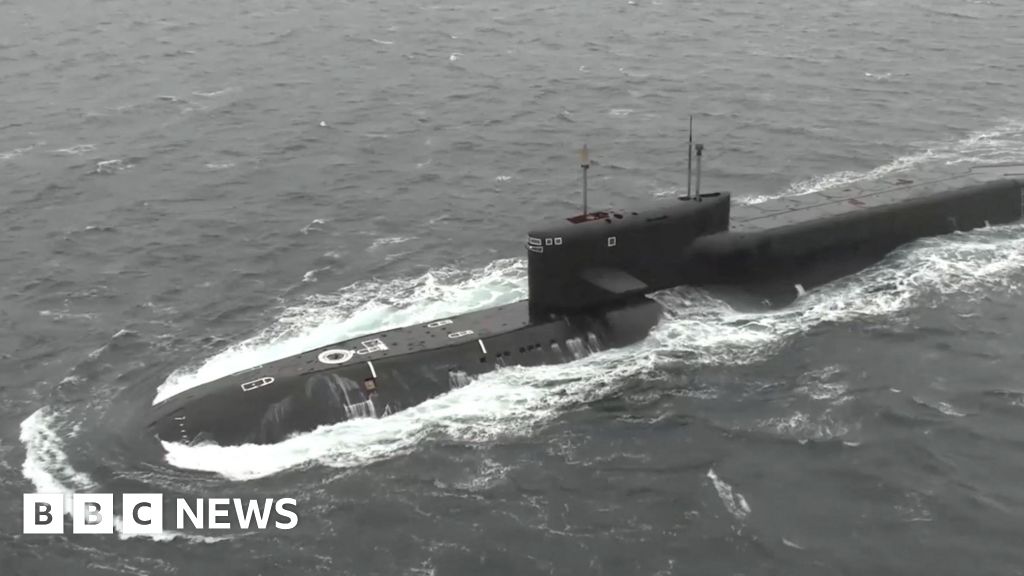
A significant wave is rippling through global defense strategies as the United States steps up to assist South Korea in developing its own fleet of nuclear-powered attack submarines. This landmark agreement marks a pivotal moment, not just for the long-standing US-South Korea alliance, but for the intricate security landscape of the Korean Peninsula and the broader Indo-Pacific region. It’s a clear signal of deepening cooperation and a strategic response to evolving geopolitical tensions.
When we talk about “nuclear submarines,” it’s crucial to understand what this truly entails. These aren’t submarines armed with nuclear weapons, but rather vessels propelled by nuclear reactors, offering unprecedented range, endurance, and stealth. Unlike conventional diesel-electric submarines, nuclear-powered subs can remain submerged for months, travel at high speeds, and operate globally, making them invaluable assets for intelligence gathering, deterrence, and projecting power far from home. For South Korea, this translates into a monumental upgrade in its underwater defense capabilities.
The timing of this announcement is no coincidence. The Korean Peninsula has been a hotspot of escalating tensions, driven primarily by North Korea’s persistent advancements in missile and nuclear programs. This US-South Korea collaboration is designed to bolster Seoul’s defensive posture, providing a potent deterrent that can operate unseen beneath the waves. It also sends a strong message to other regional players, including China, about the unwavering commitment of the US and its allies to maintaining stability and security in the Indo-Pacific.
This initiative echoes the spirit of the AUKUS security pact, where the US and UK are assisting Australia in acquiring nuclear-powered submarines. While the specifics of the South Korea deal will differ, it likely involves a comprehensive package of technology transfer, design expertise, propulsion system development, and extensive training for South Korean crews. Such a long-term commitment underscores the trust and strategic alignment between Washington and Seoul, paving the way for South Korea to become a more formidable maritime power.
Ultimately, this agreement is about more than just building submarines; it’s about fortifying an alliance, enhancing regional deterrence, and reshaping the balance of power. South Korea’s acquisition of these advanced capabilities will significantly elevate its role in regional security, providing a crucial check against potential aggressors and ensuring a more robust and resilient defense framework for years to come. It represents a strategic evolution in how democratic nations collaborate to safeguard shared interests in a complex world.
This strategic partnership underscores a new era of defense collaboration, marrying cutting-edge technology with diplomatic resolve. As South Korea embarks on this ambitious journey, the world watches how these “silent guardians” will navigate the challenging waters of regional security, potentially ushering in a new chapter of stability and deterrence on the Korean Peninsula and beyond.

Leave a Reply