
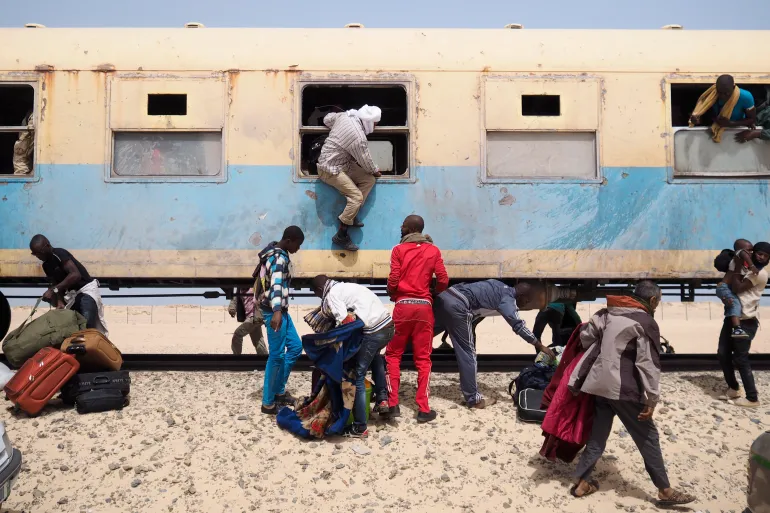
Recent developments in Mauritania have brought the complex issue of international migration into sharp focus. News reports indicate a significant escalation in the mass deportation of African migrants, a move that is drawing both attention and concern globally. This intensified crackdown isn’t happening in a vacuum; it closely follows a strategic agreement signed between Mauritania and the European Union, aimed at addressing the flow of migrants from Africa.
The deal, a cornerstone of the EU’s broader strategy to “stem migration from source countries,” positions Mauritania as a key partner in efforts to manage border control and prevent irregular crossings into Europe. While the stated goal is to create safer, more orderly migration pathways, the immediate aftermath has seen a dramatic increase in arrests and deportations of individuals often seeking refuge or better economic opportunities. This policy shift underscores the EU’s proactive approach to migration management, pushing borders further south.
For thousands of migrants caught in the crosshairs, this campaign represents a sudden and devastating upheaval. Many have journeyed through immense hardship, often escaping conflict, poverty, or political instability in their home countries, only to face an abrupt end to their hopes in Mauritania. Families are being separated, livelihoods shattered, and individuals find themselves in limbo, stripped of their aspirations and returned to the very conditions they sought to escape. The human cost of these policies is immense and deeply personal.
This situation raises critical questions about the efficacy and ethics of externalizing migration control. While sovereign nations have the right to manage their borders, critics argue that such mass deportations, especially when tied to financial incentives, may overlook humanitarian considerations and fundamental human rights. The long-term impact on regional stability, economic development in host and home countries, and the lives of those directly affected warrants careful examination beyond immediate policy objectives.
As the international community watches these events unfold, it’s clear that the challenges of migration are multifaceted, requiring solutions that balance national interests with human dignity. The current strategy in Mauritania, driven by the EU deal, highlights the difficult choices being made at the intersection of geopolitics and human movement, forcing us to confront the true cost of attempting to control complex human flows through concentrated enforcement.
The situation in Mauritania serves as a poignant reminder that while policy agreements can be forged to address global challenges like migration, the real impact is often felt most acutely by the individuals caught within their scope. True solutions require not just stemming tides, but understanding their currents, addressing root causes, and upholding the inherent dignity of every human being, regardless of their origin or destination.

Leave a Reply