
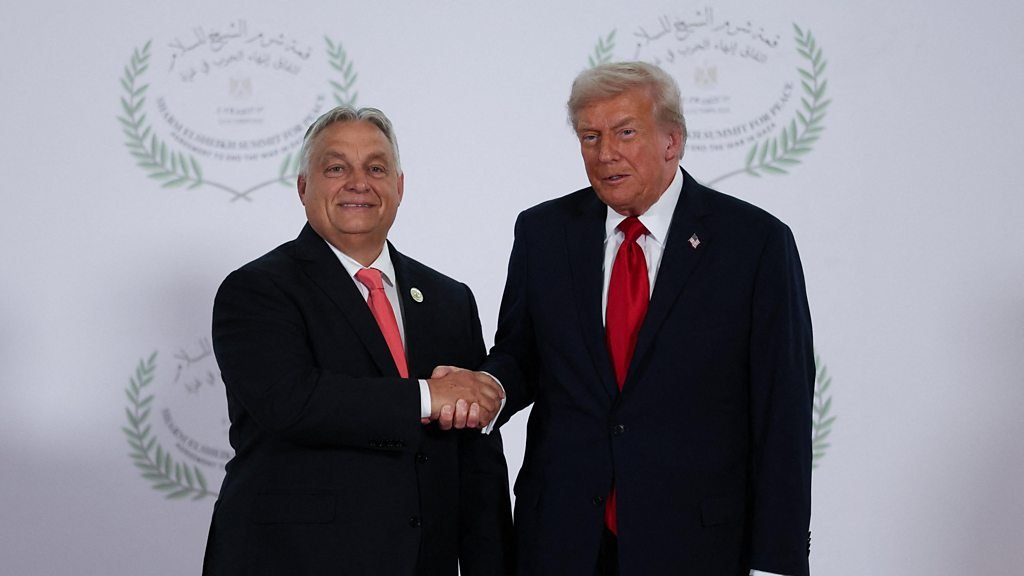
In the intricate dance of international politics, few leaders find themselves at a more fascinating crossroads than Hungary’s Prime Minister, Viktor Orban. With a potential shift in the White House back to Donald Trump, Orban faces a delicate balancing act: maintaining his unique political affinity with Trump while navigating Hungary’s deep economic reliance on Russian energy. This isn’t just a domestic challenge; it’s a high-stakes geopolitical dilemma that could redefine alliances and influence the future of European policy.
Orban has long cultivated a strong relationship with Donald Trump, often positioning himself as a like-minded conservative leader in Europe. Their mutual admiration is no secret, and Orban has publicly voiced his support for Trump’s return to power, viewing it as a potential opportunity for a more sympathetic ear in Washington, particularly concerning his ‘America First’ approach to global affairs. For Orban, a Trump presidency might mean less pressure on Hungary regarding its democratic record and a different stance on the ongoing conflict in Ukraine, possibly aligning more with Hungary’s current neutral position.
However, this political camaraderie runs head-first into a formidable economic reality: Hungary’s profound dependence on Russian oil and gas. Despite widespread European Union efforts to reduce reliance on Russian energy following the Ukraine conflict, Hungary has secured exemptions and remains largely tethered to Moscow’s supplies. This reliance is not easily undone; it’s deeply woven into the fabric of Hungary’s economy, powering industries and heating homes. Finding viable, affordable alternatives would require massive investment and a complete overhaul of its energy infrastructure, a task that remains a significant hurdle.
This creates Orban’s central dilemma: if Trump returns to office, will he prioritize his ‘old friend’ Orban, potentially allowing Hungary to continue its energy relationship with Russia without significant US pushback? Or, will a new Trump administration decide to exert pressure on allies, even close ones, to fall in line with a potentially altered, yet still robust, American foreign policy regarding Russia? Orban is essentially betting on Trump’s personal connections outweighing broader geopolitical strategy, a gamble with uncertain outcomes.
The repercussions of this choice extend beyond Budapest. Hungary’s stance, influenced by this internal conflict, has implications for EU unity, NATO solidarity, and the wider international response to Russia. How Orban handles this tightrope walk between his powerful allies – one economic, one political – will not only shape Hungary’s future but could also send ripples through the transatlantic alliance, forcing other nations to consider their own complex allegiances in a rapidly evolving global landscape.

Leave a Reply