
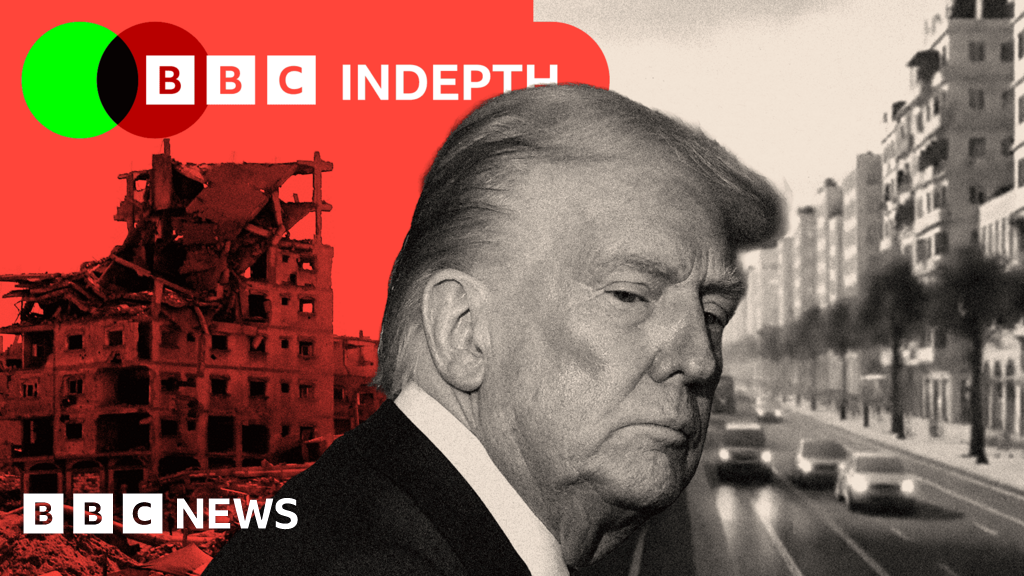
As the world grapples with the immense humanitarian crisis in Gaza, another crucial conversation is already underway: what will its future look like? The devastation is undeniable, leaving behind a landscape in desperate need of renewal. Yet, even as the immediate needs remain paramount, architects, urban planners, and visionaries across the globe are already sketching out ambitious blueprints for what could rise from the ashes, sparking a fascinating, albeit complex, debate.
The concepts are truly breathtaking, pushing the boundaries of urban innovation. Imagine AI-powered super cities, designed for resilience and sustainability, brimming with cutting-edge technology. Other proposals delve deeper into the region’s rich heritage, aiming to capture Gaza’s profound “soul and spirit” in architectural forms that resonate with its history and culture. These are not just pipe dreams; they represent a powerful human desire to not just rebuild, but to reimagine and elevate, offering a beacon of hope for a brighter tomorrow.
However, the journey from visionary sketch to tangible reality is fraught with immense challenges. Beyond the sheer logistical nightmare of clearing debris and securing resources, there’s the monumental task of addressing immediate housing, infrastructure, and public health needs for hundreds of thousands of people. The scale of reconstruction required is almost unprecedented, demanding unparalleled international cooperation and an unwavering commitment to sustainable development.
Perhaps the most significant hurdle, as the ongoing discussions highlight, remains the deeply entrenched political landscape. While the architectural visions are inspiring, consensus on how to actually govern, finance, and execute such a massive undertaking is conspicuously absent. Differing political agendas and conflicting interests continue to create roadblocks, paralyzing progress and leaving the future of these grand designs in limbo, caught between hopeful aspirations and bitter political realities.
Ultimately, the battle over Gaza’s future isn’t just about blueprints and budgets; it’s about people. It’s about securing a dignified, hopeful, and stable future for its residents. While the innovative ideas provide a glimpse of what’s possible, true progress hinges on overcoming the political paralysis that currently overshadows every discussion about reconstruction. Only then can the dreams of AI-powered cities or culturally resonant urban spaces begin to take root. The chasm between these inspiring architectural visions and the harsh political realities is stark. For Gaza to truly rebuild and thrive, the world must bridge this gap, transforming shared humanitarian goals into tangible political will and unified action.

Leave a Reply