
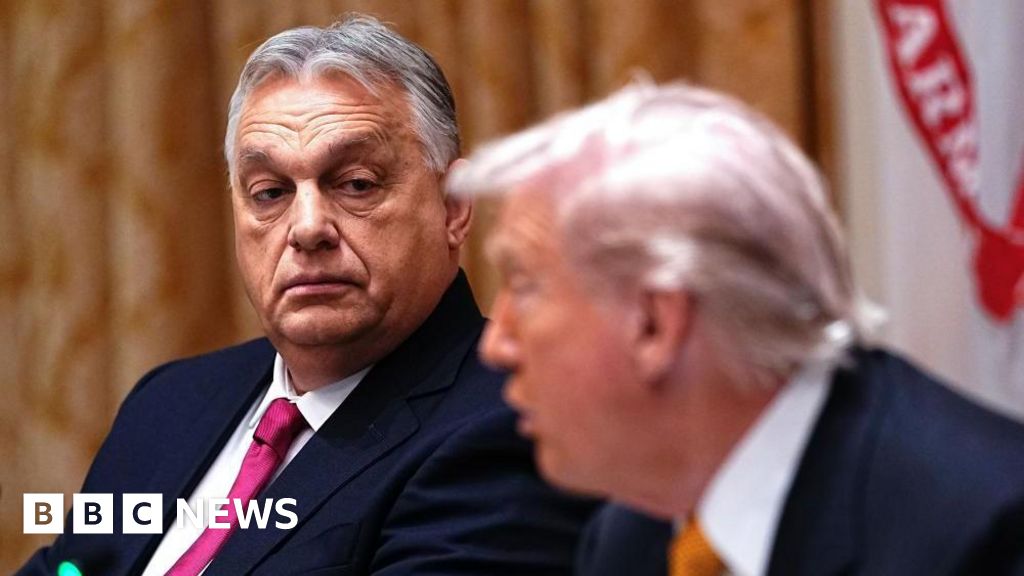
When Hungarian Prime Minister Viktor Orban visited former US President Donald Trump, the images beamed across the globe seemed to tell a straightforward story: a warm, successful meeting between two like-minded political figures. On the surface, it appeared Orban secured precisely the validation and personal connection he desired. However, as is often the case in high-stakes diplomacy, the full picture is far more intricate than a simple handshake and shared smiles.
For Orban, the visit was undoubtedly a significant win in the realm of political optics. Meeting with a potential future US President, particularly one who commands immense influence within the Republican party and a global conservative movement, bolsters his image both domestically and internationally. It signals a powerful alliance and provides a perceived endorsement of his often-controversial policies, offering a strong message to his base and a challenge to his critics abroad. This kind of high-profile engagement reinforces his standing as a major player on the world stage.
Yet, the tangible gains for Hungary beyond these optics appear less concrete. While the meeting was a personal triumph for Orban, it didn’t equate to official US policy shifts or immediate diplomatic breakthroughs from the current administration. Discussions with a former president, while influential, do not carry the same weight as state-to-state negotiations or formal commitments from the White House. The complexities of international relations, economic sanctions, and geopolitical alliances remain largely unchanged, irrespective of a private Mar-a-Lago meeting.
This rendezvous served as a strategic play for both leaders. For Trump, it reaffirmed his role as a global figure and demonstrated continued international support, even out of office. For Orban, it was an investment in future relations, positioning Hungary favorably should Trump return to the presidency. It highlights a growing trend in global politics where personal rapport and ideological alignment can sometimes appear to supersede traditional diplomatic channels, offering a glimpse into a potential future foreign policy landscape.
Ultimately, Orban’s trip to see Trump was a masterclass in political messaging and personal brand building. While it delivered significant symbolic capital and strategic positioning for the Hungarian leader, the long-term impact on concrete policy and the broader US-Hungary relationship remains to be seen. It underscores that in modern diplomacy, what leaders ‘get’ can sometimes be more about perception and future potential than immediate, actionable results.

Leave a Reply