
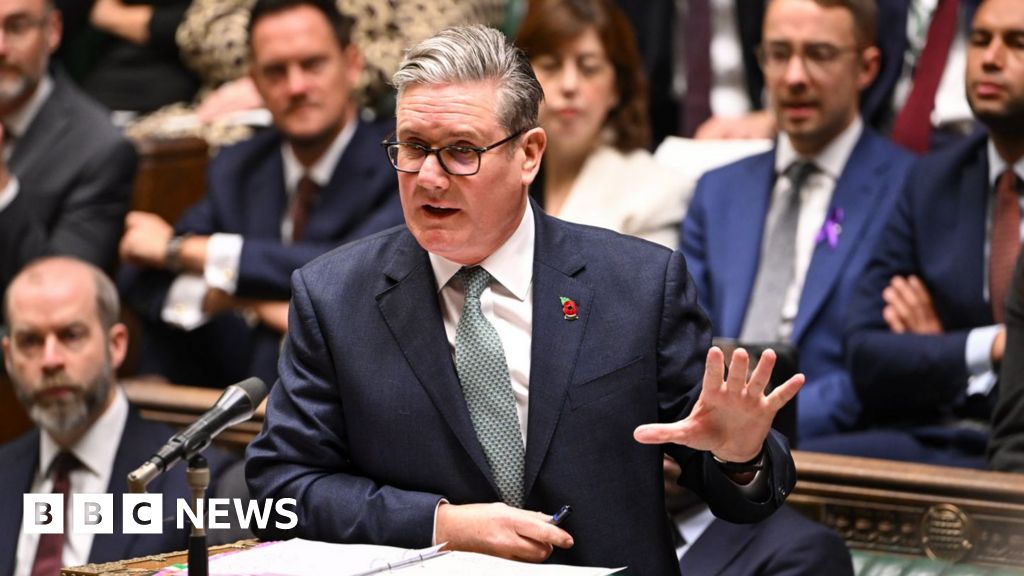
In the always-unpredictable theatre of UK politics, fresh headlines have once again drawn attention to the intense sparring and underlying tensions within Westminster. As leaders jostle for position and public favour, accusations about conduct and culture are becoming increasingly common, prompting vital questions about the integrity of political discourse.
Labour leader Keir Starmer recently addressed a burgeoning ‘leadership row,’ firmly stating that he ‘never authorised’ any attacks on ministers. This denial comes amidst scrutiny over party tactics and the perceived aggressive nature of political exchanges. Starmer’s statement underscores a commitment to maintaining a professional standard, aiming to distance his leadership from any suggestions of fostering a hostile environment.
Adding to the heated debate, Conservative leader Kemi Badenoch (Secretary of State for Business and Trade) reportedly made a significant accusation, claiming the prime minister is running a ‘toxic’ Downing Street. This remarkable statement from a prominent figure within the Conservative party itself paints a vivid picture of internal or broader governmental strains, suggesting a deeply unhealthy atmosphere at the very heart of power.
These accusations, whether of unauthorised attacks or a ‘toxic’ culture, are more than just political mudslinging; they reflect a wider concern among the public about the state of governance and leadership. Trust in politicians is a precious commodity, and allegations of poor conduct or internal strife can severely erode public confidence, diverting focus from critical policy discussions that impact everyday lives.
As the political landscape continues to evolve, the challenge for all parties will be to move beyond these accusations and demonstrate a clear commitment to integrity, respect, and substantive debate. The electorate is increasingly seeking leaders who can unite rather than divide, and who prioritize effective governance over relentless political skirmishes.
In a political climate ripe with division, leaders face a crucial test: to rise above the fray of ‘toxic’ accusations and unauthorized attacks, fostering an environment where ideas, not insults, drive the national conversation. The future of UK politics hinges on a renewed focus on integrity, accountability, and genuine public service, rather than perpetual conflict.

Leave a Reply