
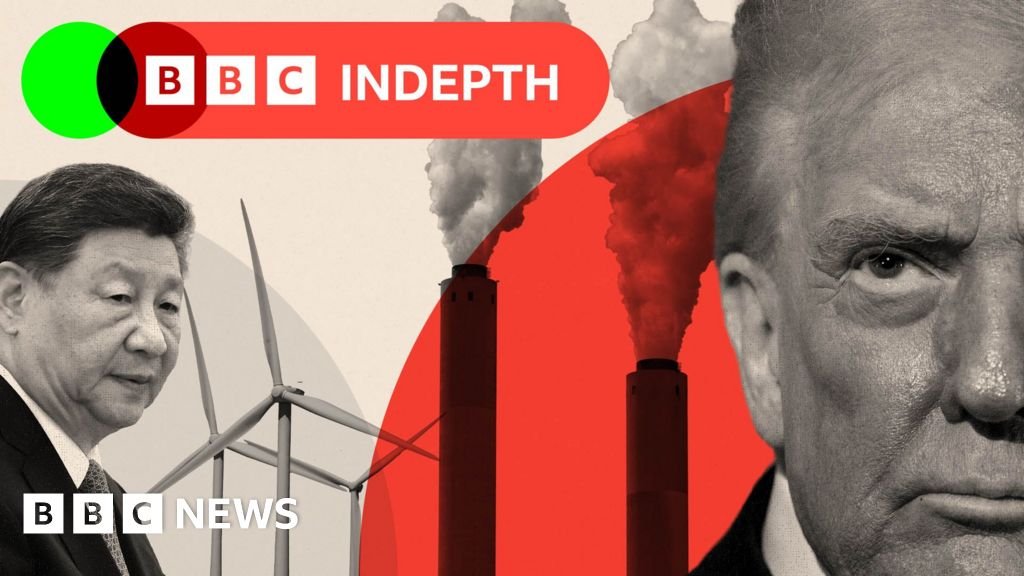
Another year, another critical UN Climate Summit, COP30. But this time, a notable absence looms large: high-profile world leaders, including a former US President. This immediate void sparks a crucial question: does the very purpose of these monumental gatherings waver when key figures are missing? As global temperatures continue their worrying ascent, the attendance (or non-attendance) of top decision-makers at these climate talks inevitably draws scrutiny and raises eyebrows.
The absence of heads of state, particularly from major economies, isn’t merely about a photo opportunity missed. It can be seen as a troubling barometer of shifting national priorities, potentially signaling a dip in political commitment to the ambitious targets set in previous agreements. When the loudest voices aren’t present at the negotiating table, it naturally prompts concerns about the weight and enforceability of any new pledges or breakthroughs that emerge from the summit.
However, dismissing COP’s value based solely on presidential attendance overlooks the vast machinery of climate diplomacy. Thousands of dedicated delegates, ministers, scientists, and activists still converge, often engaging in intricate, painstaking negotiations. These are the experts hashing out the technical details, designing implementation strategies, and securing vital financial commitments that underpin real-world climate solutions. Their presence ensures the conversation doesn’t halt, even if the spotlight on specific top leaders dims.
Indeed, COP summits serve multiple, indispensable roles. They are the primary global platform for setting collective climate goals, reviewing progress, and holding nations accountable to their commitments. They act as critical deadlines that spur domestic policy development and investment in areas like renewable energy and sustainable practices. Furthermore, they are unparalleled networking opportunities for sharing best practices, fostering technological innovation, and mobilizing essential climate finance from both public and private sectors.
While the visual impact of absent leaders undeniably presents a challenge, it arguably pushes the narrative towards a deeper understanding of climate action. It forces us to ask if the true engine of progress lies solely in high-level declarations, or in the sustained, collaborative effort across all levels of government, industry, and civil society. The climate crisis is too urgent to be sidelined by individual attendance choices.
So, does COP30 still have a point? Absolutely. Its significance isn’t solely derived from a roster of presidents, but from its fundamental role as the world’s most comprehensive platform for collective climate action. It’s a critical annual reminder that the fight against global warming requires unwavering commitment from every corner of the planet, demanding continuous negotiation, innovation, and implementation – whether every single world leader is present or not. The work, and the future, depend on it.

Leave a Reply