
Picture driving in a major global city. The experience is almost universal: a dance of stop-and-go, dictated by the familiar red octagons that command a complete halt. Now, imagine navigating the intricate, centuries-old avenues of Paris and realizing that this fundamental symbol of traffic control is conspicuously absent. The French capital, a place notorious for the swirling chaos of the Arc de Triomphe, operates almost entirely without stop signs. This isn’t an oversight; it’s a deliberate design choice that fosters a completely different driving mindset, one based on constant vigilance rather than rote obedience.
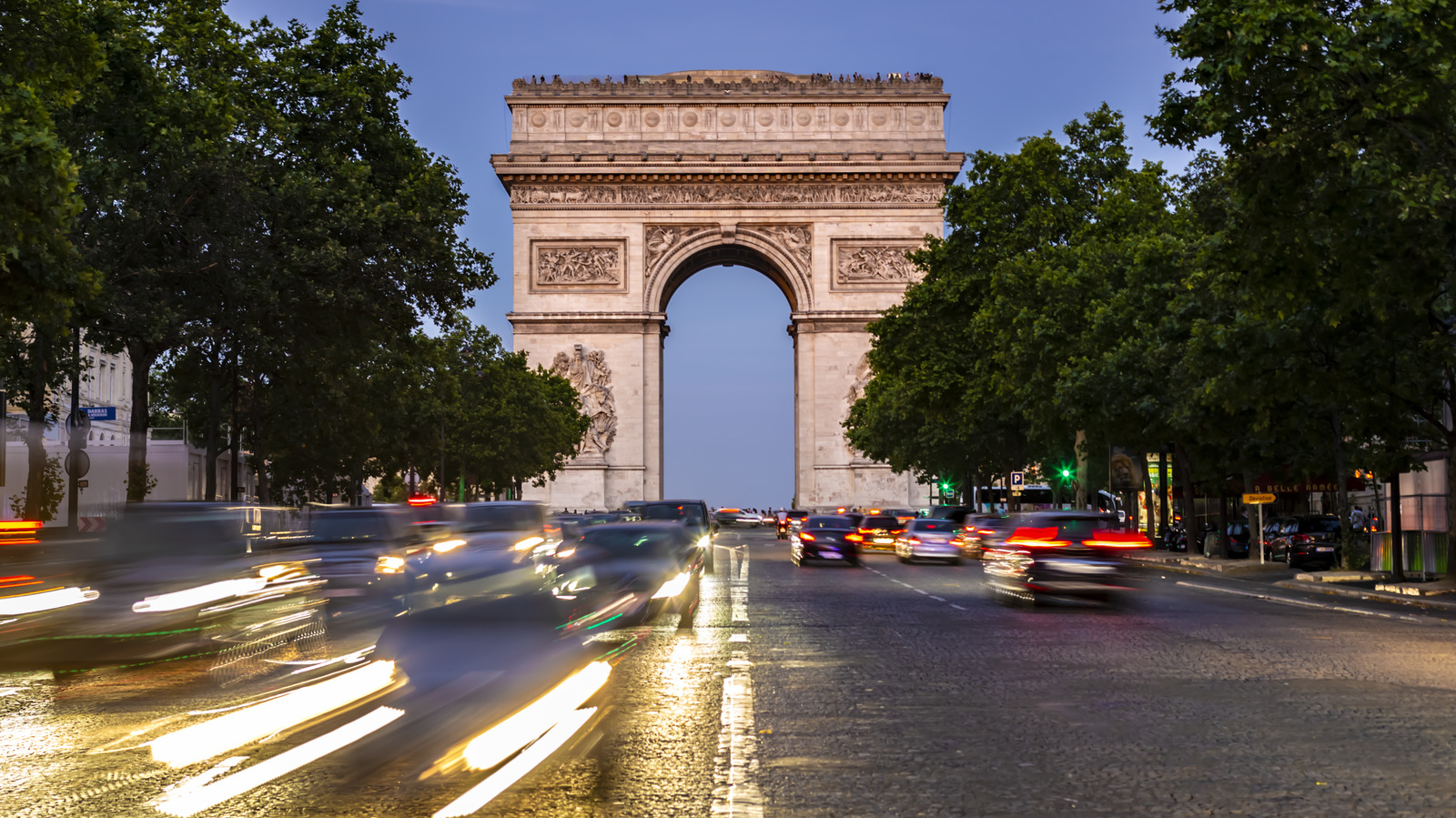
The secret to this seemingly audacious system is a simple, overarching rule known as “priorité à droite,” or “priority to the right.” At the vast majority of intersections that lack traffic lights or specific signage, drivers must yield to any vehicle approaching from their right-hand side. This single principle fundamentally alters the flow of traffic. Instead of approaching a junction with the simple binary choice of stopping or going, every driver must slow down, scan for incoming traffic, and be prepared to yield. It transforms every cross street into a point of negotiation and shared responsibility.
From a psychological perspective, this approach is fascinating. The American system, with its proliferation of stop signs, often encourages a passive, command-based style of driving; you stop because the sign tells you to, not necessarily because you’ve assessed a hazard. The Parisian model, however, demands active engagement. It forces drivers to be perpetually aware of their surroundings, anticipating the actions of others at every corner. This culture of heightened awareness suggests that true safety doesn’t come from rigid instruction, but from creating an environment where caution becomes an ingrained, necessary habit.
Of course, this isn’t to say Paris is a complete free-for-all. Major boulevards, busy roundabouts, and key arteries are controlled by traffic signals and specific yield signs that override the default “priorité à droite” rule. The system is most prevalent in the charming, tighter networks of streets that define the city’s historic arrondissements. This nuanced application allows for efficient flow on main roads while maintaining the cautious, fluid pace in residential and commercial neighborhoods, proving that a single traffic solution doesn’t have to be a city-wide mandate.
Ultimately, the Parisian experiment offers a profound lesson in urban planning and human behavior. It challenges the assumption that more signs and more explicit rules automatically lead to safer streets. By removing a common directive and replacing it with a principle of mutual respect and awareness, Paris has created a unique traffic rhythm. It’s a compelling reminder that sometimes, the most effective way to manage complex systems is not to add more controls, but to foster a smarter, more cooperative consciousness among the people within them.

Leave a Reply